10 Riskiest Countries for Solo Travelers (Updated Guide)
What are the 10 riskiest countries for solo travelers?
Risk can change quickly based on conflict, crime trends, protests, natural disasters, and local enforcement. When people ask for the “riskiest countries,” they’re usually referring to places that are frequently listed at the highest caution levels by major government travel advisories due to kidnapping risk, terrorism, armed conflict, or widespread violent crime. If you’re traveling solo, that matters because you have fewer built-in safety buffers.
Countries commonly flagged as high-risk for many solo travelers
1) Afghanistan
2) Yemen
3) Syria
4) South Sudan
5) Somalia
6) Haiti
7) Venezuela
8) Libya
9) Iraq
10) Myanmar (Burma)
How to use this list without overcorrecting
Instead of treating a country label as a final verdict, use it as a prompt to tighten your plan: check current advisory levels for the specific region/city you’d visit, confirm road and border conditions, and build a conservative itinerary with reliable transportation and lodging. Solo travelers also benefit from “visibility control”—keeping your movements predictable to you, not to strangers.
Our team’s practical safety setup for solo travel
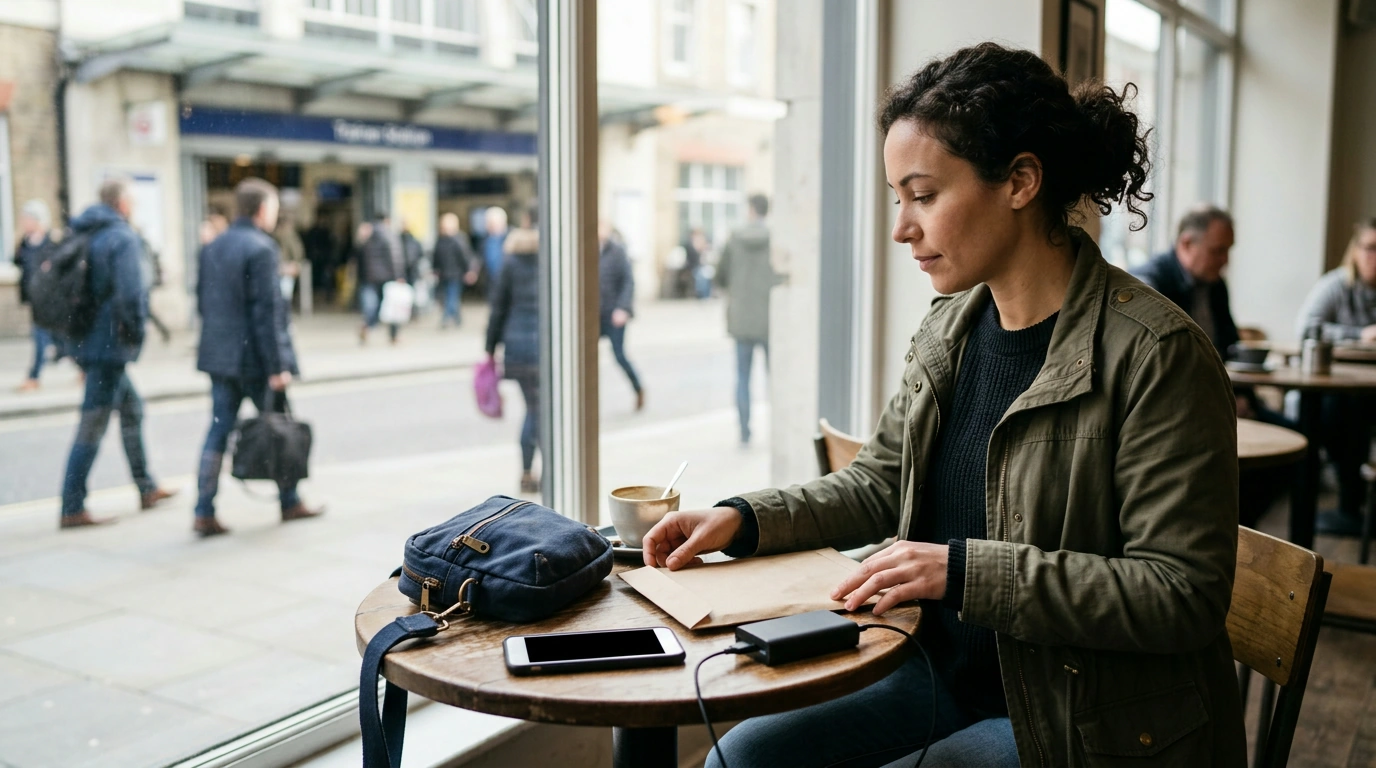
If you’re going anyway (or just want a stronger baseline anywhere you travel), we recommend a simple kit and routine: carry a crossbody bag that zips fully closed; add a small doorstop or portable door alarm for lodging; use a personal safety alarm (loud, no aim required); and split money/cards across two places (one accessible, one hidden). A compact power bank helps you keep your phone available for maps, rides, and check-ins.
For a repeatable plan that works in low- and high-stress moments, use our step-by-step checklist here: solo travel safety checklist.
FAQ
What should I pack for solo travel safety?
Pack a zippered crossbody or anti-theft bag, a personal safety alarm, a doorstop or portable door alarm, and two separate places to store cards and cash. Add a small power bank and a backup way to access key info (addresses, contacts) if your phone is lost.








Leave a comment