Understanding Pet Temperament: Dog and Cat Behavior
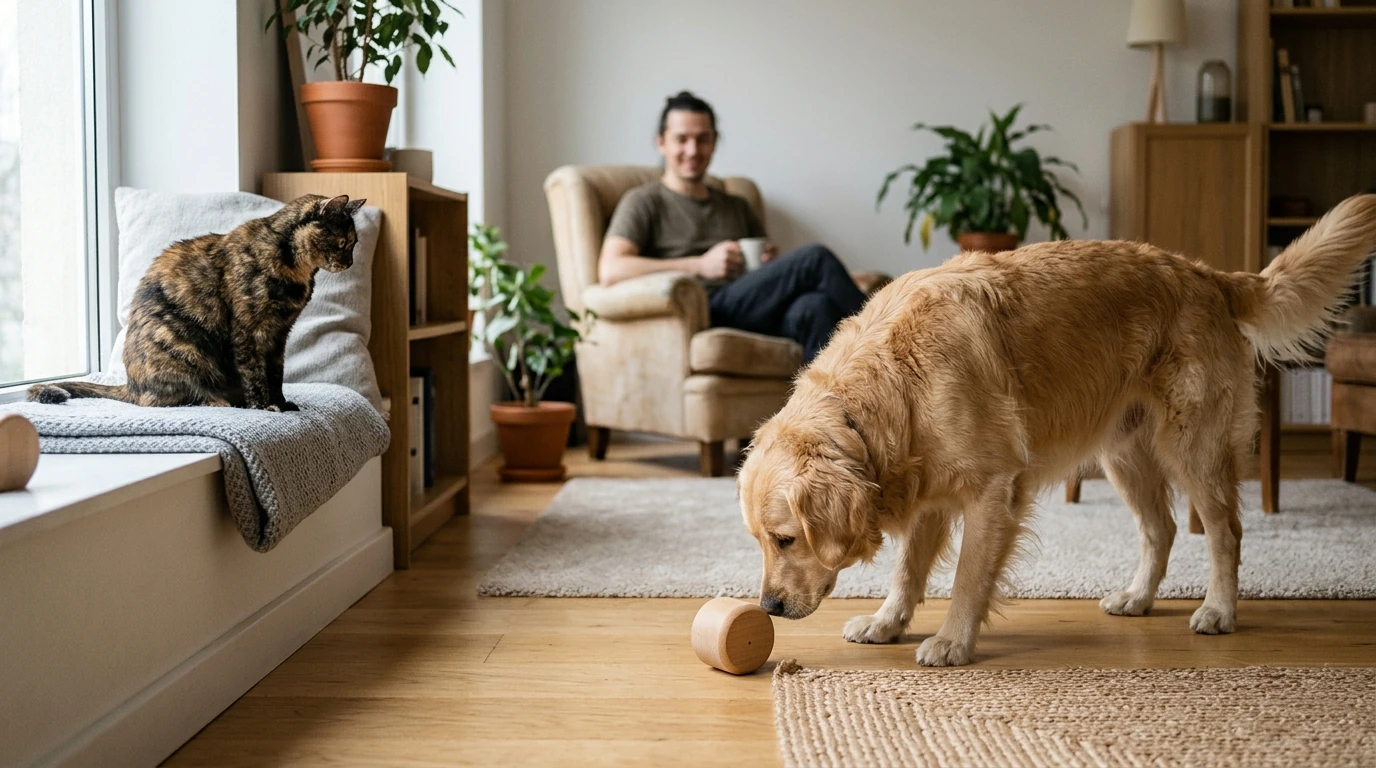
Some pets greet every new experience with curiosity. Others prefer time and distance before they feel comfortable. Noticing those differences can help you build care and training routines that work for your dog or cat as an individual.
Our team uses temperament as a starting point for observation, not a label that defines everything a pet will do. With patience and attention to everyday signals, you can make small adjustments that support a more comfortable life together.
What Temperament Can Tell You
Temperament describes recurring patterns in how an animal responds to experiences. One dog may regularly approach unfamiliar people, while another hangs back. One cat may investigate a new object quickly, while another watches from across the room.
Those patterns are useful, but they are not the whole story. Health, surroundings, past experiences, and age can all affect behavior. A pet that usually enjoys attention may want less contact when tired or unwell. A normally confident animal may be cautious in an unfamiliar setting.
Rather than relying on breed expectations or labels such as “stubborn” or “shy,” watch what your own pet does. Notice which situations encourage exploration and which prompt avoidance. These observations can guide your decisions about introductions, enrichment, and training.
Reading Everyday Dog and Cat Signals
Body language can help you recognize when a pet is comfortable or needs a break. A relaxed dog may have a loose body and move easily. A relaxed cat may rest with a soft posture or explore without appearing tense. Context matters: the same movement can mean different things in different situations.
Signs of possible discomfort include turning away, moving out of reach, becoming still or tense, and changes in ear or tail position. A dog may lick its lips or yawn when stressed; a cat may flick its tail during petting. Look at the whole animal and the circumstances instead of treating any one signal as a certain answer.
If your pet seems uncomfortable, reduce the pressure and give them room to move away. Avoid punishing growling, hissing, or other warning signals. Those signals communicate a need for space; responding calmly can help you avoid escalating the situation.
| Situation | Possible signal | Helpful response |
|---|---|---|
| A dog meets a visitor | Turns away or moves behind a caregiver | Give the dog space and let it approach voluntarily |
| A cat is being petted | Tail flicks or body becomes tense | Pause contact and allow the cat to move away |
| A pet explores a new room | Sniffs or looks around with a loose body | Allow time to explore at its own pace |
For more examples, explore the Humane Society’s guide to dog body language and International Cat Care’s advice on understanding your cat.
Make Care Fit Your Pet
Predictable routines can make daily life easier to navigate. Aim for consistent feeding, play, and exercise times where practical, and provide a comfortable place where your pet can rest undisturbed. Cats may appreciate access to elevated spaces, while dogs may benefit from a quiet area away from household activity.
Offer enrichment suited to the species and the individual. A dog might enjoy a sniffing walk or a food puzzle; a cat might prefer a short session chasing a toy or exploring a cardboard box. Supervise new activities as appropriate and remove items that become damaged or unsafe.
Introduce changes gradually. For example, place a new object at a comfortable distance and let your pet choose whether to investigate. Watch for loose movement and voluntary engagement, and step back if your pet retreats or becomes tense. If behavior changes suddenly or you notice possible signs of pain, contact your veterinarian rather than assuming the issue is purely behavioral.
Train with Patience and Positive Reinforcement
Reward behaviors you want to see again with something your pet values, such as a small treat, a toy, or gentle praise. Keep sessions short and finish while your pet is still engaged. For example, reward a dog for looking at you when called from a few steps away, or reward a cat for voluntarily approaching a carrier.
Start with an easy version of the task, then increase difficulty gradually. If your pet stops participating or repeatedly struggles, make the next attempt easier. Distance from distractions, a quieter setting, or a smaller training step can make success more likely.
Fearful or aggressive behavior may need individualized support. A veterinarian can help assess possible medical causes and recommend next steps; a qualified behavior professional can help you develop a plan suited to your pet and situation.
Explore the Temperament Guide
Our Understanding Your Pet’s Temperament guide focuses on dog and cat behavior for more thoughtful care and training. It is in stock for $39.99; visit the product page for purchase details.
If you have a puppy and want a separate resource focused on building a routine, our New Puppy Training Starter Guide is an optional companion. Choose the temperament guide for a broader dog-and-cat perspective, or the puppy guide when your immediate priority is establishing early training habits.
FAQ
What’s the hardest pet to take care of?
There is no single hardest pet for everyone. Care difficulty depends on the animal’s needs and your time, resources, and experience; individual dogs and cats can also require different levels of support.
Can a pet’s temperament change?
A pet’s responses can change with age, experiences, health, and surroundings. Contact your veterinarian if you notice a sudden behavior change.
How can I tell if my pet is uncomfortable?
Look for changes in posture, movement, and behavior together, taking the situation into account. Give your pet space if they appear uncomfortable rather than relying on one signal alone.







Leave a comment